





Half of the homes in Lithonia were built in 1974 or earlier, by the Census Bureau’s estimate, and that age matters the first morning after a fire when the house still smells like it. An older house doesn’t just hold smoke, it absorbs it, into plaster that’s been drying out for fifty years, into trim painted a dozen times, into duct runs that have moved air through the same registers since before anyone reading this owned the place. Smoke damage cleanup in Lithonia starts with understanding that the house itself is part of the problem.

About 63% of Lithonia’s housing stock went up before 1980, which means a lot of plaster walls, older oil-based trim paint, and original ductwork that’s never been relined. Plaster is porous in a way drywall isn’t quite as bad about. Soot works into the surface instead of sitting on top of it, so wiping it down with a rag just smears it deeper and sets the stain.
Older HVAC systems move that same smoke through the whole house even if the fire stayed in one room. A furnace or air handler running during a fire, or even right after, pulls smoke particles into the return and lays them down along every duct run and register in the home. That’s why a bedroom two doors down from the fire can smell just as bad as the room that burned.
The work follows the IICRC S700, which is the industry standard for fire and smoke damage restoration. In plain terms, it means soot gets identified by type before anyone starts cleaning, because dry soot from a fast fire cleans differently than the greasy, wet soot from a smoldering one, and using the wrong method sets the stain instead of lifting it.
Soot cleanup covers walls, ceilings and contents. Smoke odor removal is its own separate step after the visible soot is gone, because odor lives in materials even after the surface looks clean. HVAC-affected areas get cleaned too, since the system is often how smoke got into rooms the fire never touched. Materials that are too far gone get replaced rather than cleaned, which is a judgment call made on site.
One thing you can check yourself tonight: open a closet or cabinet door in a room away from the fire and smell inside. If it smells like smoke in there, the HVAC system carried it, and that tells you the job is bigger than the burned room alone.
Insurance adjusters on a smoke claim usually want to know whether the damage is contained to one area or has spread through the house, and whether it’s a fire-related claim or a separate smoke-only claim, since those get handled differently on paper. Documentation matters here: photos of soot on surfaces in rooms away from the fire, notes on which rooms had odor, and a record of what was cleaned versus what was replaced.
We don’t tell you what your policy will pay. That’s between you and your adjuster. What we can do is document the work against the S700 standard so there’s a clear record of what was found and what was done about it.

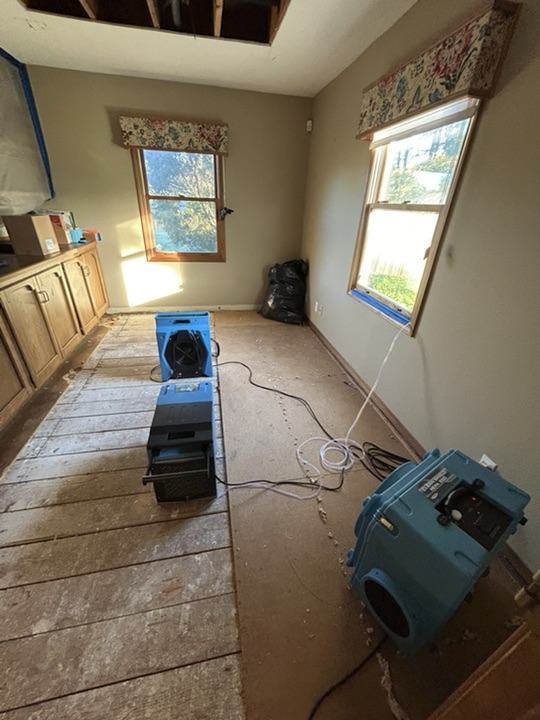
About 33% of occupied homes in Lithonia are owner-occupied, which means most of the housing here is rental property. That changes a few practical things on a smoke job. A renter usually isn’t the one approving cleanup work or signing off on what gets replaced, so getting the property owner or management company looped in early saves time. It also means the person smelling the smoke damage every day isn’t always the one with authority to make decisions about it, which is worth sorting out on the first call.
Odor removal is a separate step from soot cleanup, done after visible soot is cleaned from walls, ceilings and contents, because smoke odor sits in materials even after surfaces look clean. In older Lithonia homes with plaster walls and original ductwork, that often means checking HVAC-affected areas too, since the smell can travel through the system into rooms away from the fire.
Yes. An HVAC system running during or after a fire pulls smoke through the return air and deposits soot along duct runs and registers, which is why cleaning HVAC-affected areas is part of the job even when a room never saw flame.
It’s risky in an older Lithonia home, because about 63% of the housing here was built before 1980, and soot on plaster or old paint tends to smear and set deeper if wiped with the wrong method. Soot cleanup on walls, ceilings and contents follows the IICRC S700 standard, which starts with identifying the type of soot before any cleaning begins.
It depends on who owns the property. About 33% of occupied homes in Lithonia are owner-occupied, so most residents are renting, which means the property owner is often the one coordinating with the insurance adjuster even if the tenant is the one living with the smoke damage.
Calls are answered 24/7, and the business is IICRC certified.
Sources: US Census Bureau, American Community Survey 2023 5-year estimates; IICRC, ANSI/IICRC S700 Standard. Read 2026-11-14.