





Half of the homes in Buford were built in 1994 or earlier, by the Census Bureau’s estimate, and that number tells you something useful before you even open a window. A house from the early nineties has drywall, trim and ductwork that have had thirty-some years to dry out and get a little porous, and porous surfaces are exactly what soot likes to grab onto. The newer the surface, usually the easier the cleanup. The older it is, the more it tends to hold onto a smoke smell long after the visible mess is gone.
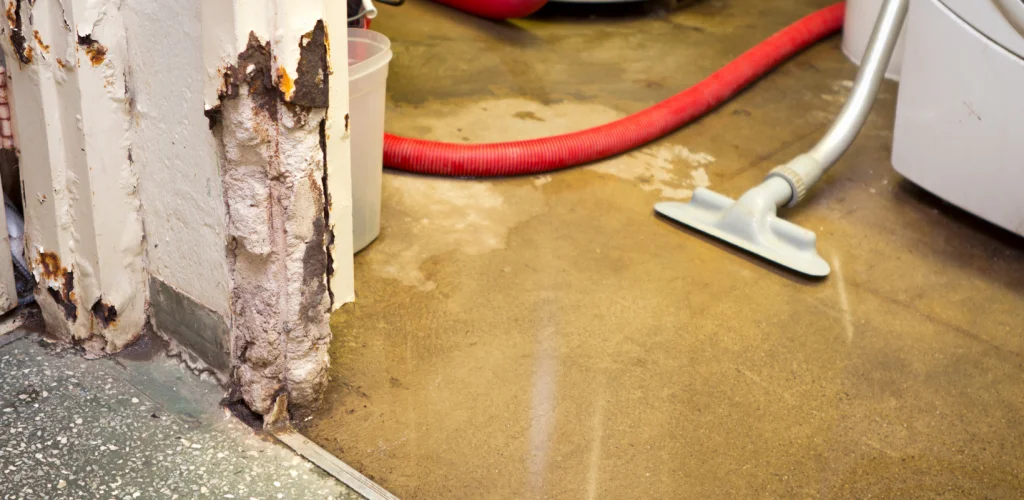
A chunk of Buford’s housing, about 29%, goes back to before 1980. Those older homes often have plaster or early drywall, oil-based paint under newer coats, and original ductwork that’s been patched more than once over the years. Smoke particles are acidic and they’re small enough to work into any crack, gap or seam they find. On a newer wall, soot tends to sit more on the surface. On an older wall, it migrates into the paper, the paint layers, sometimes the stud cavity behind it.
That matters for odor more than for looks. A room can look fine after a fire two rooms over and still carry a smell for weeks, because the smoke traveled through the house on air currents and settled into whatever it touched, including places nobody thinks to check, like the inside of a closet or behind a picture frame.
We work to the IICRC S700, which is the industry standard for fire and smoke damage restoration. In practice that means the type of smoke residue gets identified before anyone starts wiping, because wet smoke, dry smoke and protein residue each need a different cleaning approach, and using the wrong one can push soot deeper into a surface instead of lifting it off.
One thing you can check yourself tonight: run a white cloth lightly over a wall near where the fire was, even in a room that looks untouched. If it comes away gray or black, smoke got further than the fire did, and that room needs real cleaning, not just a wipe-down with household cleaner. Soot cleanup on walls, ceilings and contents, smoke odor removal, and cleaning the HVAC-affected areas where smoke traveled are all part of the same job, because if the HVAC ran during or after the fire, it likely pulled smoke into rooms and ducts far from where the fire started.
About 70% of occupied homes in Buford are owner-occupied, with the rest rented. That split changes who we’re talking to on a job. An owner can usually make a call on the spot about cleaning versus replacing a smoke-damaged material. A renter often has to loop in a property manager or landlord first, which can slow down decisions about materials that need to be pulled out versus cleaned in place. Either way, the sooner that conversation happens, the sooner the work can start.
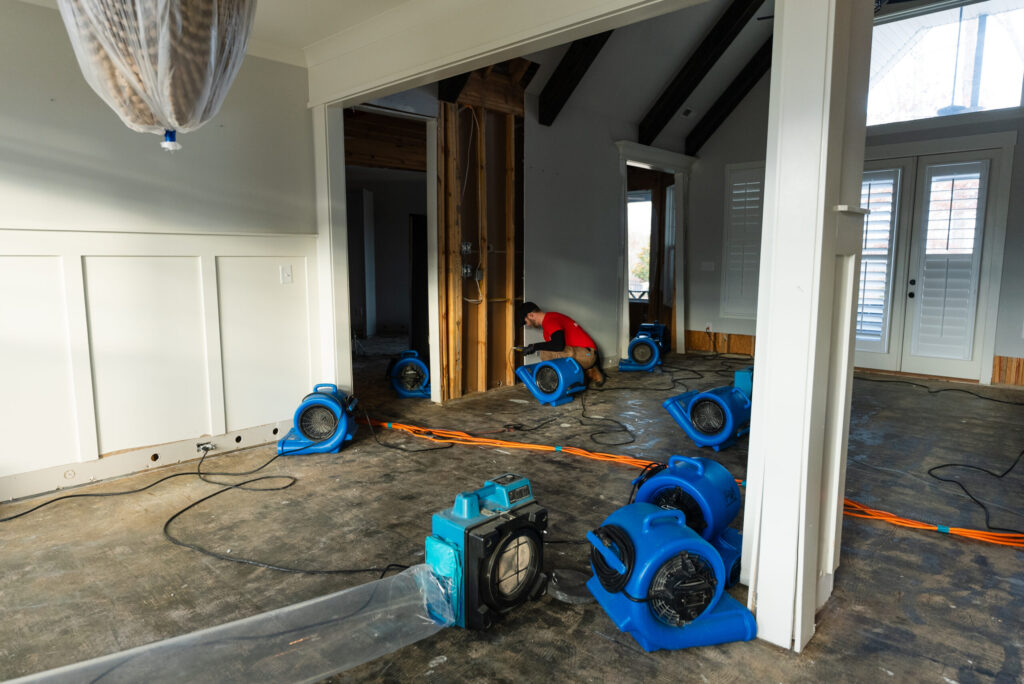
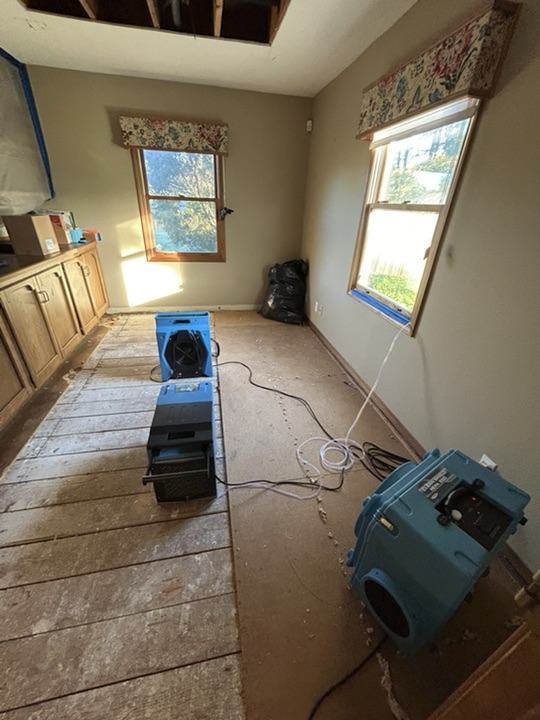
If there was an active fire, even a small one, that’s a call-now situation, because soot keeps etching into surfaces and odor keeps settling the longer it sits untouched. We answer calls 24/7. If it’s a lingering smell from a grease fire that got put out fast, or odor you’re just now noticing from something minor, that can usually wait for a daytime call. We’re IICRC certified, and in an emergency a Committed Restoration crew typically arrives within the hour for Buford calls.
Smoke odor removal usually means cleaning the surfaces the smoke actually reached, not just spraying an air freshener, because the smell is coming from soot particles embedded in walls, fabric, and sometimes the HVAC system. We clean the HVAC-affected areas where smoke traveled along with the walls, ceilings and contents, since skipping the ductwork often means the smell just comes back.
Yes. Smoke travels on air currents and through HVAC systems well beyond the room where a fire started, so a room with no visible fire damage can still have soot settled into its walls and furniture. That’s part of why the S700 standard calls for checking adjacent rooms, not just the room that burned.
For a light surface check, a white cloth test is fine, but actual soot cleanup is risky to do yourself because wiping the wrong type of residue with the wrong method can push it deeper into drywall or fabric instead of removing it. About 29% of Buford’s homes were built before 1980, and those older wall materials are especially prone to soaking up soot if they’re cleaned the wrong way.
It can affect who needs to approve the cleanup plan. About 70% of occupied homes in Buford are owner-occupied, and owners can usually decide directly on cleaning versus replacing a damaged material, while renters often need a landlord or property manager involved before work starts.
Yes, we’re IICRC certified, and the smoke and soot cleanup follows the IICRC S700 standard, which sets out how to identify the type of residue and the right method for removing it from a given material.
Sources: US Census Bureau, American Community Survey 2023 5-year estimates; IICRC, ANSI/IICRC S700 Standard. Read 2026-11-14.