





Jackson County has been named in 10 federal disaster declarations for storms, flooding or fire since 2000, with Hurricane Isaias, a severe winter storm, and Hurricane Helene among the most recent. Each one of those events left somebody’s crawlspace or basement wet for longer than it should have been, and wet building materials in Braselton don’t wait around for a convenient weekend to start growing mold. If you’re dealing with a musty smell or a water stain that won’t dry out on its own, the clock already started.
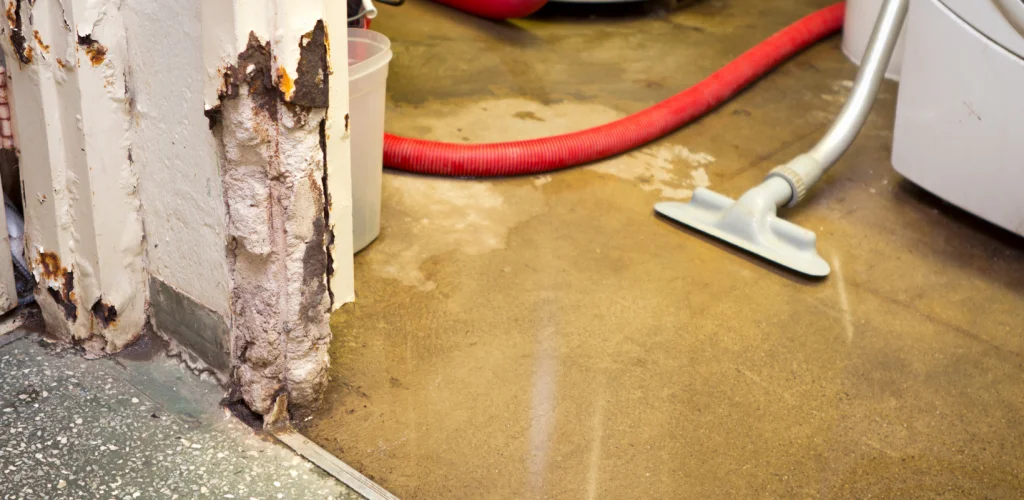
Wind-driven rain gets into places you don’t expect: around chimney flashing, under window units, through a roof vent nobody’s checked in years. The water itself isn’t the lasting problem. It’s what happens to the stuff it touches over the next couple of days.
If you had standing water or a soaked ceiling after a recent storm, get a fan or two moving air across the area tonight, not next week. Pull up anything sitting directly in water. If you can see a stain spreading on drywall or smell something musty in a closet that wasn’t there before, that’s worth a call, not a wait-and-see.
We answer calls 24/7, so you don’t have to wait for business hours to get someone on the line. When you call, it helps to know roughly when the water showed up, where it’s coming from if you can tell, and whether anyone in the house has respiratory issues that might make the air quality more urgent.
Photos help too, if you can get them safely. A phone picture of the stain, the standing water, or the spot where you think the leak started gives whoever answers a head start before a technician ever walks in the door.
The EPA’s rule of thumb is that water-damaged material dried within 24 to 48 hours usually won’t grow mold at all. Past that window, drywall paper, the cellulose in wood framing, and the dust sitting in your HVAC ducts all give mold spores something to feed on, and they don’t need much time to get started once conditions are right.
Professional mold remediation follows the IICRC S520 standard, which lays out how containment, material removal, and drying are supposed to be done so the mold doesn’t just come back somewhere else in the house a month later. That’s the whole point of containment: sealing off the work area so spores disturbed during removal don’t spread into rooms that were never affected.
Here’s something you can check yourself before calling anyone. The EPA says a homeowner can usually handle a moldy patch smaller than about 10 square feet on their own, soap, water, and good ventilation. Bigger than that, or if it followed a real water event like a burst pipe or roof leak, it’s past the point where cleaning the surface fixes the underlying problem. The visible mold is rarely the whole story. It’s a symptom of moisture that’s still somewhere in the wall or under the floor, which is why inspection work focuses on finding that source first, not just scrubbing what you can see.
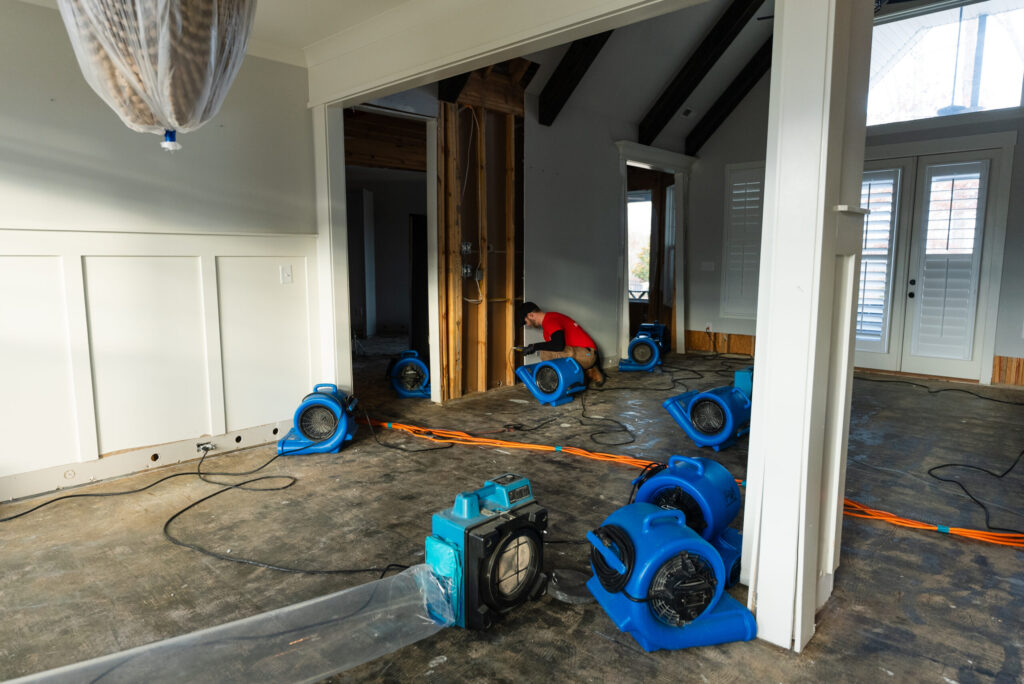
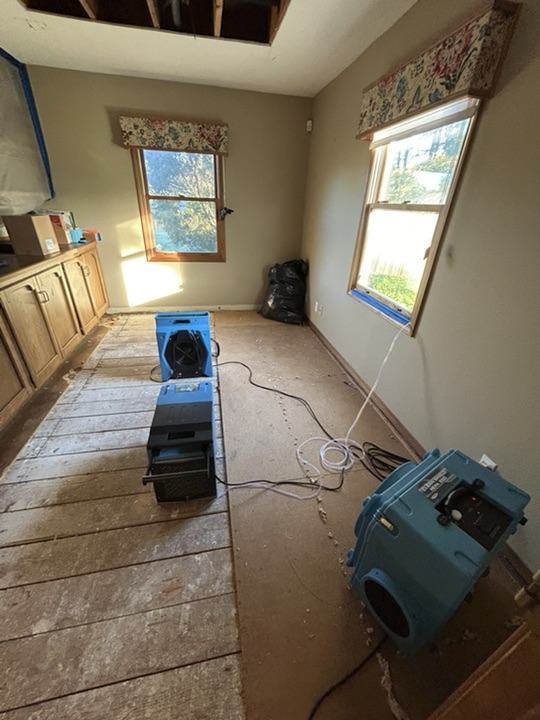
About 76% of occupied homes in Braselton are owner-occupied, with the rest rented. An owner can usually make a decision on the spot: schedule an inspection, approve containment, get the drying equipment running. A rental adds a step, since a tenant noticing the smell often has to loop in a property manager or landlord before anyone can authorize the work, and that extra day matters when you’re inside that 24 to 48 hour window.
Half of the homes in Braselton were built in 2009 or earlier, by the Census Bureau’s estimate, and only about 3% of the housing stock goes back before 1980. That’s a younger mix than a lot of towns around here. Newer construction generally means PEX plumbing instead of old galvanized pipe, and vapor barriers that are supposed to keep crawlspace moisture out of the floor joists.
That doesn’t mean newer homes are immune. Tighter construction holds humidity in just as well as it keeps weather out, and a slow leak behind a shower wall or under a dishwasher can run for months in a well-built house before anyone notices a soft spot in the subfloor. The failure points are just different: less rotted old wood, more condensation and hidden plumbing leaks inside walls that were sealed up tight from day one.
Committed Restoration handles mold inspection, containment, removal of damaged materials, and the cleaning and drying work that follows, using the IICRC S520 standard that governs professional mold remediation. We answer calls 24/7.
The EPA says a homeowner can usually clean a moldy area smaller than about 10 square feet without help. Anything larger, or mold that followed a significant water event, generally needs professional inspection and remediation because the visible mold usually isn’t the whole problem.
Mold comes back when the moisture source was never actually found and fixed, not just when the visible mold was cleaned. A proper inspection traces the water back to where it’s getting in, which is the first step in the IICRC S520 process, before any drying or cleanup is considered finished.
FEMA’s records show 3 National Flood Insurance Program claims filed for ZIP code 30517 since 2000. That number describes claims filed across the whole ZIP code, not any single property, so it can’t tell you whether a particular house is at risk. A local flood map or an inspection of your own property is the only way to know that.
It can affect how fast work gets authorized. About 76% of occupied homes in Braselton are owner-occupied, and an owner can typically approve inspection and containment immediately, while a renter often needs to involve a landlord or property manager first.
Sources: US Census Bureau, American Community Survey 2023 5-year estimates; FEMA, OpenFEMA NFIP Redacted Claims; FEMA, OpenFEMA Disaster Declarations Summaries; IICRC, ANSI/IICRC S520 Standard; US EPA, A Brief Guide to Mold, Moisture and Your Home. Read 2026-11-14.