





Half of the homes in Lawrenceville were built in 1987 or earlier, by the Census Bureau’s estimate, and that number tells you something real about the night your kitchen catches fire. A house from the late 80s has had decades of rewiring, repainting, and whatever the last owner did in the garage without a permit. When it burns, the smoke travels through a structure that was not built to any modern fire code, and the materials inside react differently than they would in a house built last year.
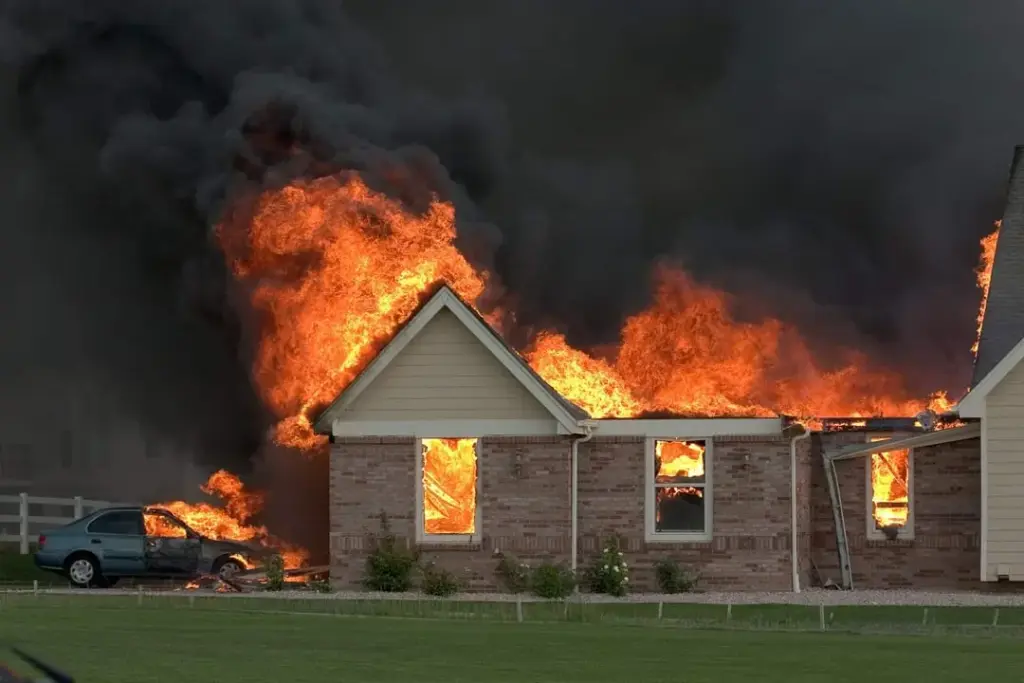
About 31% of Lawrenceville’s housing stock predates 1980, and even the newer half of the city’s homes are pushing forty years old. That matters for two reasons. First, older plaster, plywood subfloor, and original cabinetry absorb smoke differently than newer materials, holding odor deep in the pores where a surface wipe-down will not reach it. Second, homes from this era often have old wiring behind the walls, which means a fire that started in one outlet can have been smoldering longer than anyone realized before it was visible.
The fire department puts the fire out. What’s left is smoke damage on surfaces the flames never touched, soot that’s acidic and starts etching metal and glass within hours, and water from the hoses sitting in wall cavities and under flooring. In a house this age, that water finds old subfloor and original drywall that was never built to handle a soaking.
The IICRC S700 is the industry standard for professional fire and smoke damage restoration, and it exists because fire damage is not just the burned part. It covers how to assess smoke residue, how to document loss before anything is touched, and the order operations should happen in so secondary damage does not pile up on top of the first. Following it means a homeowner isn’t guessing whether the job was done right. It was done to a standard somebody can point to.
The EPA says water-damaged areas and items dried within 24 to 48 hours will, in most cases, not grow mold. That window starts the moment the fire hoses stop, not when a crew shows up. If you’re standing in your house tonight waiting on help, the one thing you can check yourself is whether there’s standing water anywhere, and if there is, get air moving through the room if it’s safe to do so. Every hour inside that window helps.
Our work on a Lawrenceville fire call covers board-up and tarping to secure the property, removing the materials that are actually fire-damaged rather than guessing at the whole room, cleaning up the water used to put the fire out, rebuilding what has to come out, and documenting all of it along the way.
About 49% of occupied homes in Lawrenceville are owner-occupied, with the rest rented out. That’s close to an even split, and it changes who we’re talking to on a fire call. An owner is usually the one deciding what gets rebuilt and when. A renter often has to loop in a property manager or landlord before anything past the emergency board-up can move forward, and that can slow down decisions that otherwise would happen fast. Either way, the first steps, securing the property and stopping further water damage, don’t wait on that conversation.
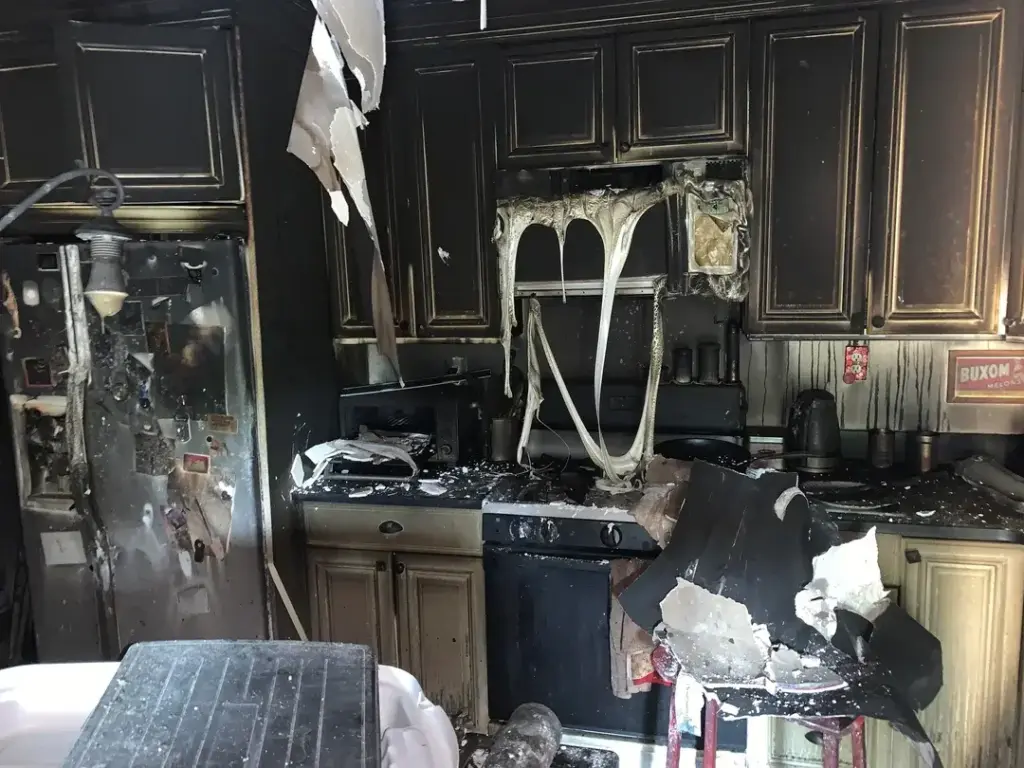
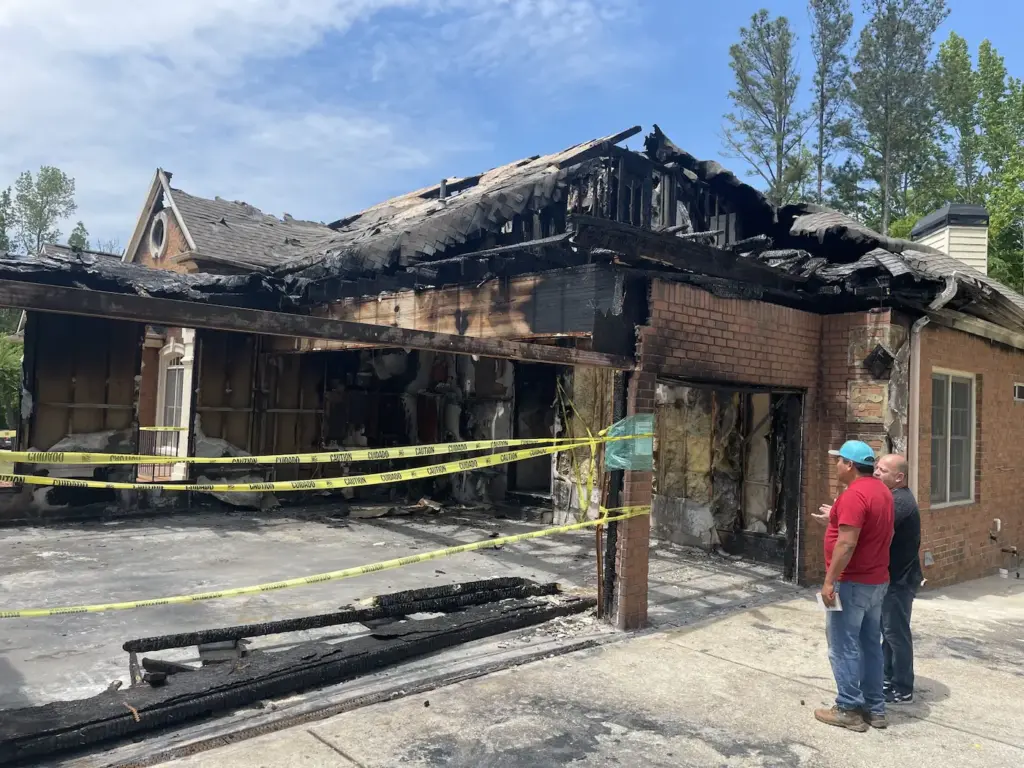
Every fire claim needs documentation, and that’s not something you want to be piecing together from memory two weeks later. We photograph and record the damage before removal starts, keep a record of what gets taken out of the house and why, and put together what the adjuster needs to evaluate the claim. We don’t tell you what your policy covers. That’s between you and the insurer. What we can do is make sure the paperwork reflects what actually happened in your house, not a guess.
A fire damage restoration company handles the cleanup after the fire department leaves, which includes securing the property, removing damaged materials, cleaning up firefighting water, and rebuilding. Committed Restoration is IICRC certified and answers calls 24/7.
The fire is out but the house still needs board-up and tarping to secure it against weather and entry, removal of fire-damaged materials, cleanup of the water used to fight the fire, and documentation of the loss before rebuilding starts.
Often yes, because fire damage work follows the IICRC S700 standard, which includes assessing what can be cleaned and restored versus what has to be removed, rather than treating the whole room as a loss.
The EPA says materials dried within 24 to 48 hours will, in most cases, not grow mold, so getting water removed and air moving in that window matters as much as the fire cleanup itself.
About 31% of Lawrenceville’s housing was built before 1980, and older materials like original plaster and subfloor hold smoke odor and water differently than newer construction, which affects how the job is approached.
Sources: US Census Bureau, American Community Survey 2023 5-year estimates; IICRC, ANSI/IICRC S700 Standard; US EPA, A Brief Guide to Mold, Moisture and Your Home. Read 2026-11-14.