
Fire Damage Restoration in Lilburn, GA





Half of the homes in Lilburn were built in 1987 or earlier, by the Census Bureau’s estimate, and that number is worth knowing before you ever need it, because a house from that era does not behave like new construction once smoke and heat get into it. The walls, the wiring, the ductwork, all of it was built to a different set of expectations than what goes up today. If you’re dealing with fire damage cleanup in Lilburn right now, that age is part of why the job looks the way it does.
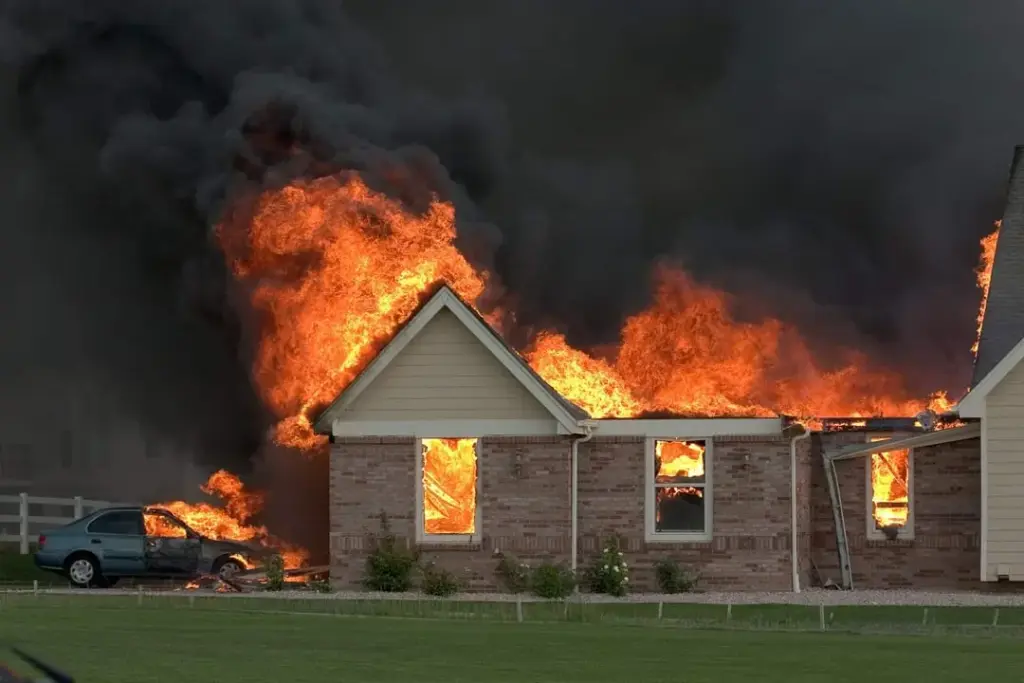
What a late-1980s Lilburn house does once it's burned
About 28% of Lilburn’s housing stock predates 1980, and even the newer half of the city’s homes, built around and after 1987, still use plenty of materials that react badly to fire and the water used to fight it. Older plaster and lath soak up moisture differently than drywall does, and drywall from that period can be thinner than what you’d find in a house built last year. Smoke travels through original ductwork and settles into insulation that’s been sitting there for decades, which means the smell doesn’t stop at the room where the fire started.
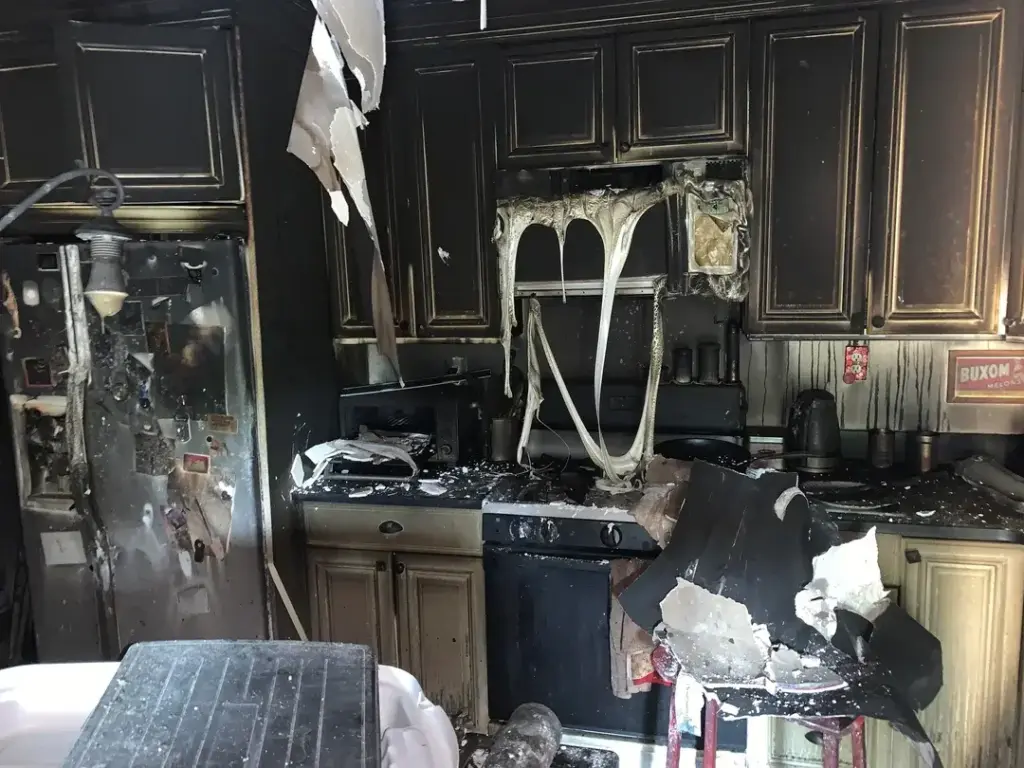
Cabinets, trim, and subfloor in a house this age were often finished with materials that char and off-gas differently than modern equivalents. None of that is a reason to panic. It’s a reason to get the materials out that need to come out, and leave the ones that don’t.
Why the work follows the S700, and what you can check tonight
The IICRC S700 is the industry standard for professional fire and smoke damage restoration, and following it means the work gets documented and sequenced in a way an adjuster recognizes. In practice that starts with securing the property, board-up and tarping so wind and weather don’t do a second round of damage, then removing what’s actually fire-damaged rather than guessing.
The EPA says water-damaged areas and items dried within 24 to 48 hours will, in most cases, not grow mold. That window matters here because every house fire involves water, from the hose or the extinguisher, and that water has to come out fast. One thing you can check yourself tonight, if it’s safe to be in the house at all: note which rooms got wet, not just which ones burned. Carpet, baseboards, and cabinet toe-kicks hold water longer than they show it, and that’s exactly where the 24 to 48 hour clock starts running.
Owners, renters, and who actually makes the call
About 61% of occupied homes in Lilburn are owner-occupied, with the rest rented. That mix changes who we’re talking to on a job. An owner is usually making decisions about rebuilding and insurance directly. A renter is often waiting on a landlord or property manager, and documentation becomes even more important because two parties need to see the same record of what happened and what was done about it.
What to have ready when you call
Have the address and a sense of which rooms were affected by fire versus just smoke or water. If you have insurance information handy, that speeds things along, but it’s not required to get someone started securing the property. We answer calls 24/7, so there’s no need to wait for business hours to make that first call.
In an emergency, a Committed Restoration crew typically arrives within the hour for Lilburn calls. That’s for the initial response, securing the property and starting assessment, not a promise about how long the full rebuild takes.
Questions from Lilburn
Who cleans up after a house fire in Lilburn?
A fire damage restoration company handles it, covering board-up and tarping to secure the property, removal of fire-damaged materials, cleanup of the water used to put the fire out, rebuilding the affected rooms, and documentation for the adjuster. Committed Restoration is IICRC certified and answers calls 24/7.
What happens after the fire department leaves?
The property usually needs to be secured first, which means board-up over broken windows or damaged entry points and tarping over any roof damage, so weather and wind don’t add a second layer of harm. After that, the work follows the IICRC S700 standard, which sequences removal of damaged materials, drying out the water from firefighting efforts, and documenting everything for the insurance adjuster.
Can anything be saved after a kitchen fire?
It depends on what actually burned versus what just took on smoke or water, which is why assessment comes before removal rather than gutting a room on sight. In homes built before 1980, which make up about 28% of Lilburn’s housing, cabinets and trim often used materials that char and absorb smoke differently than modern equivalents, so a trained eye checking material by material tends to save more than a quick walkthrough would suggest.
Does it matter if I rent instead of own in Lilburn?
It changes who needs to be looped in on decisions and paperwork, since about 61% of occupied Lilburn homes are owner-occupied and the rest are rented. A renter typically needs a landlord or property manager involved in the documentation, while an owner handles it more directly with their insurer.
How fast do I need to deal with the water from putting out the fire?
The EPA says areas and items dried within 24 to 48 hours will, in most cases, not grow mold, so that’s the practical window for extracting water and getting things drying. Carpet, baseboards, and cabinet bottoms hold water longer than they appear to, which is worth checking yourself before professionals arrive.
Get restoration help in Lilburn
Serving Homes & Businesses Across Lilburn, GA
Serving Lilburn, Lawrenceville & the Greater Atlanta Metro
More help in Lilburn
- Water damage restoration in Lilburn
- Water mitigation in Lilburn
- Smoke damage cleanup in Lilburn
- Mold removal and remediation in Lilburn
- Contents pack-out and storage in Lilburn
- Storm damage cleanup and repair in Lilburn
- Reconstruction after damage in Lilburn
- About our fire damage restoration
Nearby
- Fire damage restoration in Dacula
- Fire damage restoration in Lawrenceville
- Fire damage restoration in Grayson
- Fire damage restoration in Snellville
Sources: US Census Bureau, American Community Survey 2023 5-year estimates; IICRC, ANSI/IICRC S700 Standard; US EPA, A Brief Guide to Mold, Moisture and Your Home. Read 2026-11-14.