
Fire Damage Restoration in Loganville, GA





Half of the homes in Loganville were built in 2003 or earlier, by the Census Bureau’s estimate, and that puts a lot of local houses right in the window where builders were using materials and wiring methods that behave differently in a fire than what goes into a house today. If you’re standing in a smoke-damaged kitchen or a bedroom with a hole burned through the drywall, the age of the house changes what we’re dealing with, and it changes it before we even walk in the door.
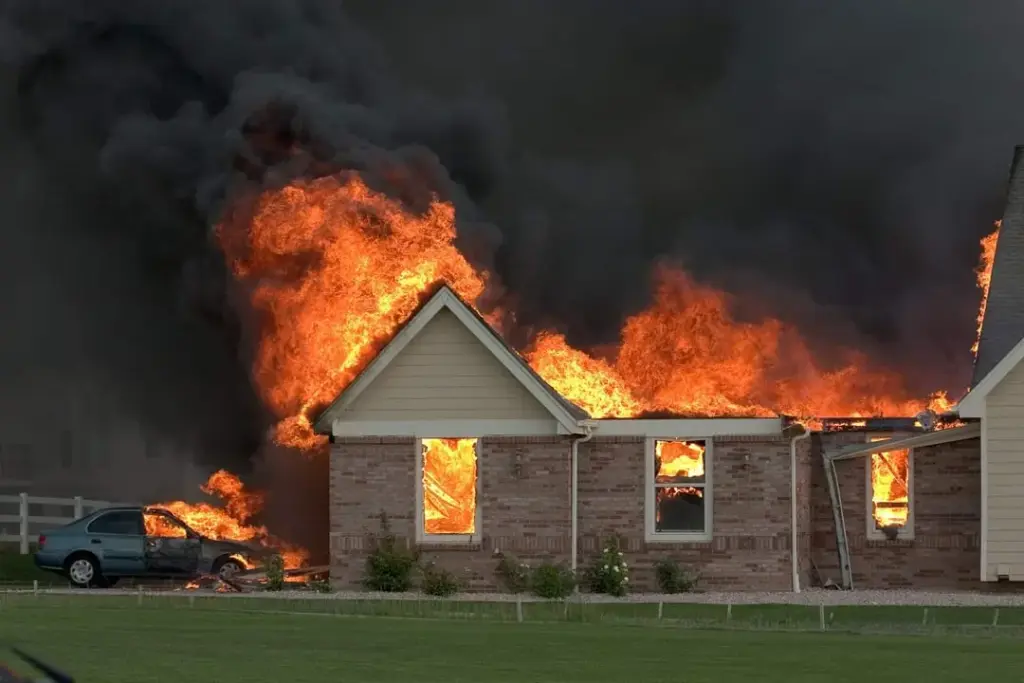
What a early-2000s Loganville house does once it's burning
A house built around 2003 is usually past the worst of the older wiring problems, but it’s still got plenty that burns fast and dirty. Engineered wood products, particleboard cabinets, synthetic carpet padding, laminate flooring. Those materials release heat quickly and produce a thicker, oilier smoke than the plaster and solid lumber you’d find in an older build. That smoke gets into HVAC ducts and wall cavities fast, and it leaves a residue that’s acidic enough to keep corroding metal fixtures and electronics for days after the fire is out if nobody deals with it.
About 13% of Loganville’s housing stock goes back before 1980, and those older houses add a different set of problems: plaster walls that crack and delaminate under heat, original wiring and plumbing that may not meet current code, and construction methods that make board-up and demolition slower and more deliberate. A house that old needs someone checking what’s actually behind the wall before tearing into it, not just running a standard pattern.
Why the work follows the S700, and what you can check tonight
Fire and smoke restoration work in Loganville follows the IICRC S700, which is the industry standard for how fire and smoke damage gets assessed and cleaned. For a homeowner, what that standard means in practice is that the technician is supposed to test the type of smoke residue (protein, synthetic, or a mix) before picking a cleaning method, because the wrong chemical on the wrong residue sets the smell deeper into the material instead of pulling it out.
The other half of the job is water. Every house fire gets wet, because that’s how the fire department puts it out, and wet drywall, subfloor, and insulation start growing mold if they stay damp. The EPA’s guidance is that materials dried within 24 to 48 hours will mostly avoid mold growth, which is why the water cleanup after a fire isn’t an afterthought, it’s on the clock the moment the hoses go quiet.
One thing you can check yourself tonight, if it’s safe to be in the house: look at your electrical panel and any outlets near the fire area for soot staining or melted insulation. Don’t touch anything, just look and make a note of what you see before a restoration crew arrives. It helps them know where to start.
What to do before help arrives
Don’t go back into a house that the fire department hasn’t cleared. Once you’re allowed back in, don’t run the HVAC system, since that spreads soot through the ducts into rooms that weren’t touched by the fire. If a window or door was broken out, try to keep weather out with whatever’s on hand, a tarp, plastic sheeting, plywood if you’ve got it, until board-up can happen. Don’t throw away damaged items yet, even ones that look like a total loss. Photograph them where they sit. That documentation matters more than you’d think once the claim process starts.
Committed Restoration answers calls 24/7, and in Loganville a crew typically arrives within the hour in an emergency. That’s specific to Loganville, not every town we cover.
Who's calling us in Loganville
About 70% of occupied homes in Loganville are owner-occupied, which means most of the calls we get here are from the person who actually holds the policy and makes the decisions on the spot. That’s different from towns with more rental turnover, where a property manager or landlord is making calls for a tenant and the homeowner isn’t on site. In an owner-heavy town like this, we’re usually talking directly to the person who’ll be living in the rebuilt rooms, which tends to speed up decisions about what gets replaced versus restored.
For documentation, we put together a record of what was damaged and how, which is the kind of paperwork an adjuster asks for when they’re sorting out what’s structural damage, what’s contents, and what’s smoke versus direct fire loss. We don’t speak for what your policy covers. That’s between you and your insurer.
Questions from Loganville
Who cleans up after a house fire in Loganville?
Committed Restoration handles fire damage cleanup in Loganville, including board-up and tarping, removing fire-damaged materials, cleaning up the water used to put the fire out, rebuilding damaged rooms, and putting together documentation for the adjuster.
What happens after the fire department leaves?
Once the fire department clears the house, the property usually needs board-up or tarping to keep weather and intruders out, then an assessment of what’s structurally damaged, smoke-damaged, or wet, since the water used to fight the fire has its own 24 to 48 hour window before mold becomes a real risk.
Can anything be saved after a kitchen fire?
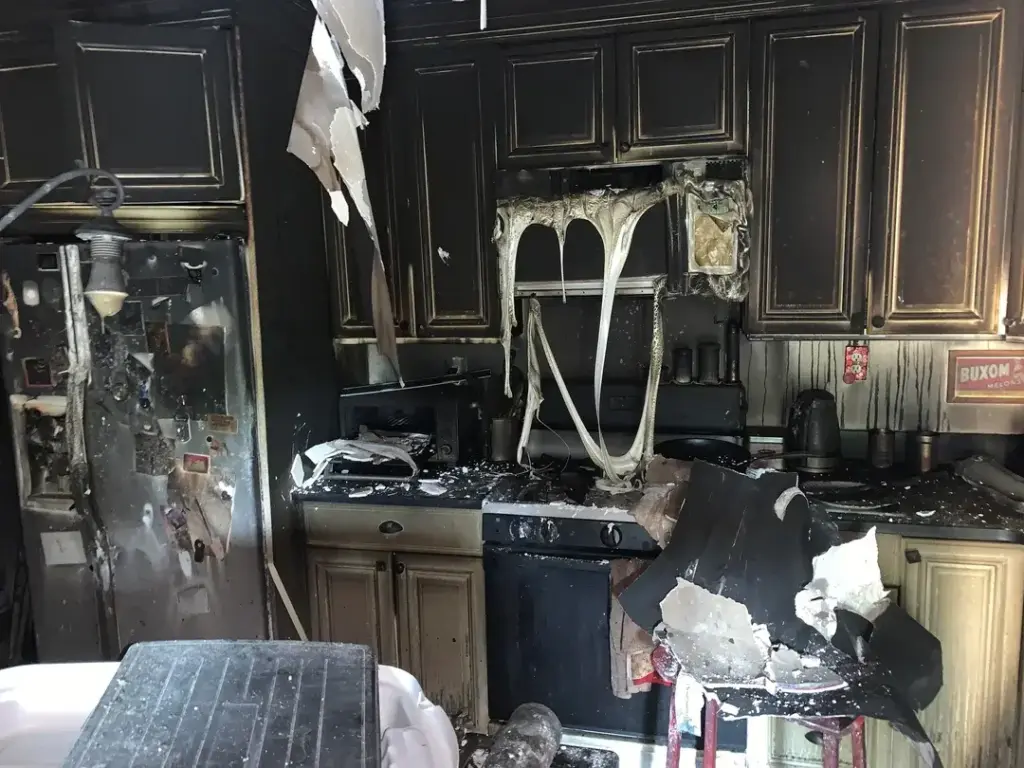
Often, yes. Not everything burns all the way through, and items with smoke or water damage, rather than direct fire contact, can sometimes be cleaned and restored following IICRC S700 methods rather than replaced outright, though that call depends on the specific item and how long it sat damaged.
Does it matter that my house was built before 1980?
It can. About 13% of Loganville homes were built before 1980, and those older houses often have plaster walls, older wiring, and plumbing that need a more careful approach during demolition and rebuild than a newer build would.
Do you work with renters or just homeowners?
About 70% of occupied homes in Loganville are owner-occupied, so most calls come straight from the homeowner, but the same services apply whether you own the home or you’re a tenant coordinating with a landlord or property manager.
Get restoration help in Loganville
Serving Homes & Businesses Across Loganville, GA
Serving Loganville, Lawrenceville & the Greater Atlanta Metro
More help in Loganville
- Water damage restoration in Loganville
- Water mitigation in Loganville
- Smoke damage cleanup in Loganville
- Mold removal and remediation in Loganville
- Contents pack-out and storage in Loganville
- Storm damage cleanup and repair in Loganville
- Reconstruction after damage in Loganville
- About our fire damage restoration
Nearby
- Fire damage restoration in Duluth
- Fire damage restoration in Suwanee
- Fire damage restoration in Norcross
- Fire damage restoration in Stone Mountain
Sources: US Census Bureau, American Community Survey 2023 5-year estimates; IICRC, ANSI/IICRC S700 Standard; US EPA, A Brief Guide to Mold, Moisture and Your Home. Read 2026-11-14.