
Fire Damage Restoration in Duluth, GA





Half of the homes in Duluth were built in 1994 or earlier, by the Census Bureau’s estimate, and that number matters the moment a pan fire gets out of hand or a space heater catches a curtain. A house from the early 90s has had three decades of wiring repairs, roof patches, and remodels layered on top of its original bones, and none of that is visible until a fire forces the issue.
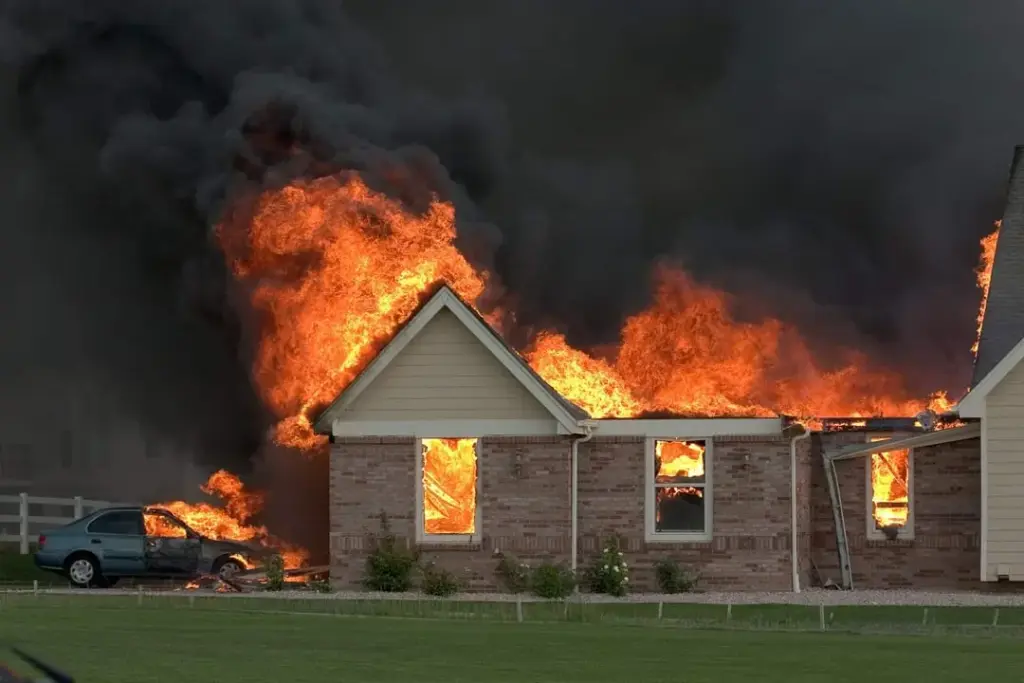
What a house built around 1994 does once it's burning
A home from that era is usually standard framing, drywall, and whatever insulation was code at the time, which in Gwinnett County often means it’s held up fine until a fire pushes it past what it was built for. Drywall chars and crumbles fast once flame reaches it, and the smoke travels through wall cavities and HVAC runs long before anyone sees a flame in that room.
About 12% of Duluth’s housing stock goes back before 1980, and those older homes carry their own wrinkles. Older wiring, older plumbing behind the walls, sometimes materials that later code cycles wouldn’t allow. None of that causes a fire by itself, but it changes what we find once we open a wall to see how far the damage actually went.
Why the work follows the S700, and what you can check tonight
Fire and smoke restoration work in the trade follows the IICRC S700 standard, which lays out how to assess damage, what to remove, and how to document it so the job holds up to scrutiny later, including from an insurance adjuster. For a homeowner, that standard is the difference between a contractor who tears out what’s convenient and one who can show why a wall, a cabinet, or a section of subfloor had to go.
The water used to put the fire out matters just as much as the fire itself. The EPA’s guidance is that materials dried within 24 to 48 hours mostly won’t grow mold, which means the clock starts the moment the hoses are off, not whenever a contractor happens to show up. Tonight, if you can do it safely, check whether any carpet, drywall, or furniture near the fire is still wet. That window is short, and it’s the one thing you can actually see for yourself before help arrives.
Call now or wait until morning
If there’s still active smoke smell, standing water from the fire department’s hoses, or a board-up need because a window or door got taken out, that’s a call-now situation. Soot keeps working on surfaces and water keeps soaking into subfloor the longer it sits, so waiting rarely helps.
If the fire was small, contained, and already out with no structural damage, a next-morning call is reasonable. We answer calls 24/7 either way, so the decision is really about what’s happening at your house, not about our hours.
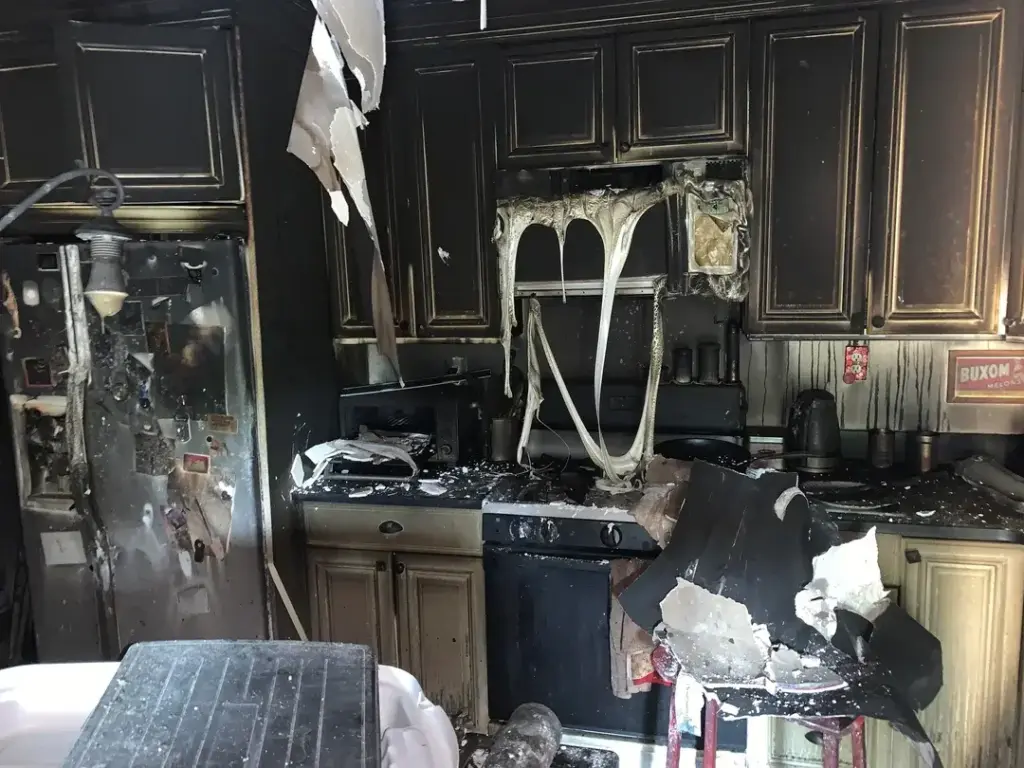
Who's calling us in Duluth, and how that changes the job
About 56% of occupied homes in Duluth are owner-occupied, with the rest rented, which means on any given fire call we’re about as likely to be talking to a landlord as the person who was actually in the kitchen. That changes who signs off on what gets removed and who the documentation goes to. We build the adjuster paperwork either way, but a renter usually needs us to loop in a property manager or owner before major work like rebuilding a room can start, and that’s worth sorting out on the first call rather than mid-job.
Questions from Duluth
Who cleans up after a house fire in Duluth?
A fire restoration company handles it, covering board-up and tarping to secure the property, removal of fire-damaged materials, cleanup of the water used to fight the fire, rebuilding the affected rooms, and documentation for the insurance adjuster. We’re IICRC certified and answer calls 24/7.
What happens after the fire department leaves?
The property usually needs to be secured first, boarding up windows or doors and tarping any roof openings, then the standing water from firefighting gets addressed before mold has a chance to set in. The EPA notes that materials dried within 24 to 48 hours mostly avoid mold growth, so that cleanup shouldn’t wait.
Can anything be saved after a kitchen fire?
It depends on how far the fire and smoke traveled, which is something an inspection has to answer room by room rather than a general rule. Work under the IICRC S700 standard involves assessing each material and surface before deciding what’s salvageable and what has to be removed.
Does it matter that my house in Duluth is older?
About 12% of Duluth’s housing was built before 1980, and older construction can mean older wiring or plumbing behind the walls that isn’t visible until a fire forces an opening. It doesn’t change whether we can help, but it can change what we find once we’re inside the walls.
I rent my home in Duluth, who handles the insurance paperwork?
About 56% of occupied homes in Duluth are owner-occupied, so a meaningful share of our calls involve renters or property managers rather than the owner directly. We document the damage for the adjuster regardless, but a renter typically needs the property owner or manager involved before rebuilding work can start.
Get restoration help in Duluth
Serving Homes & Businesses Across Duluth, GA
Serving Duluth, Lawrenceville & the Greater Atlanta Metro
More help in Duluth
- Water damage restoration in Duluth
- Water mitigation in Duluth
- Smoke damage cleanup in Duluth
- Mold removal and remediation in Duluth
- Contents pack-out and storage in Duluth
- Storm damage cleanup and repair in Duluth
- Reconstruction after damage in Duluth
- About our fire damage restoration
Nearby
- Fire damage restoration in Suwanee
- Fire damage restoration in Loganville
- Fire damage restoration in Norcross
- Fire damage restoration in Bethlehem
Sources: US Census Bureau, American Community Survey 2023 5-year estimates; IICRC, ANSI/IICRC S700 Standard; US EPA, A Brief Guide to Mold, Moisture and Your Home. Read 2026-11-14.