
Fire Damage Restoration in Snellville, GA





Half of the homes in Snellville were built in 1989 or earlier, by the Census Bureau’s estimate, and that fact matters more than it looks like it should the night you’re standing in your driveway watching smoke roll out of a window. A house from that era was framed, wired, and plumbed to a different code than what goes up today, and that changes how fire, smoke, and the water used to put it out move through the place.
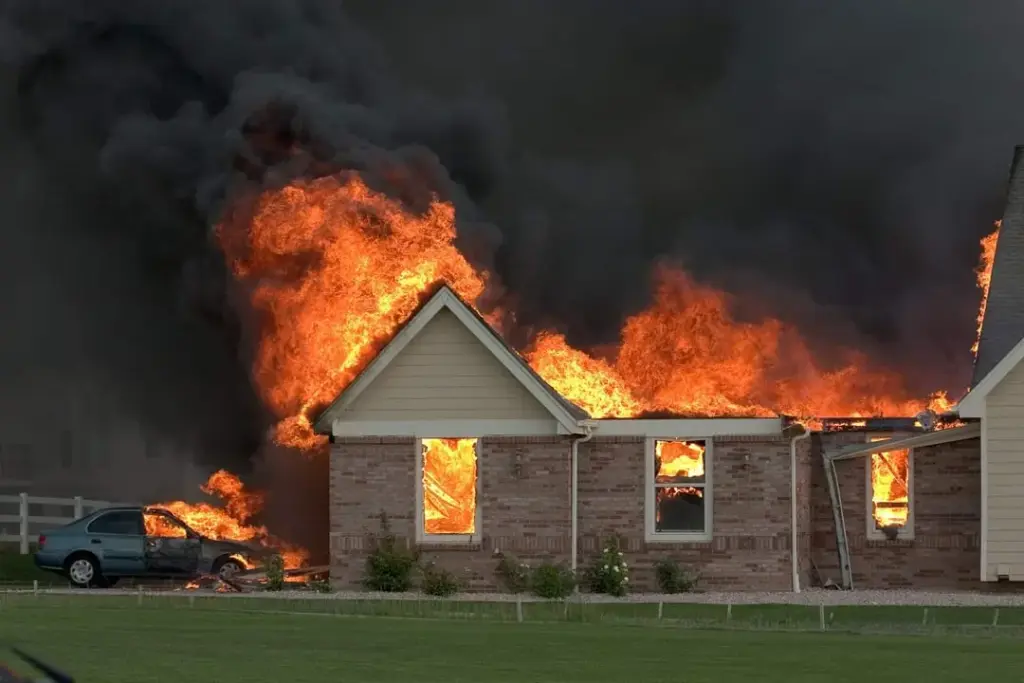
What a late-80s Snellville house does once it's burning
About 30% of Snellville’s housing was built before 1980, which means a fair share of the town is dealing with plaster walls, older wiring, and insulation types that don’t behave like the stuff going into new builds. Fire in an older wall cavity can travel further than it looks like it should, because the fire stopping that modern code requires wasn’t always there in 1970s and 80s construction. Smoke works its way into those older wall cavities and under original subfloors, and it sits there.
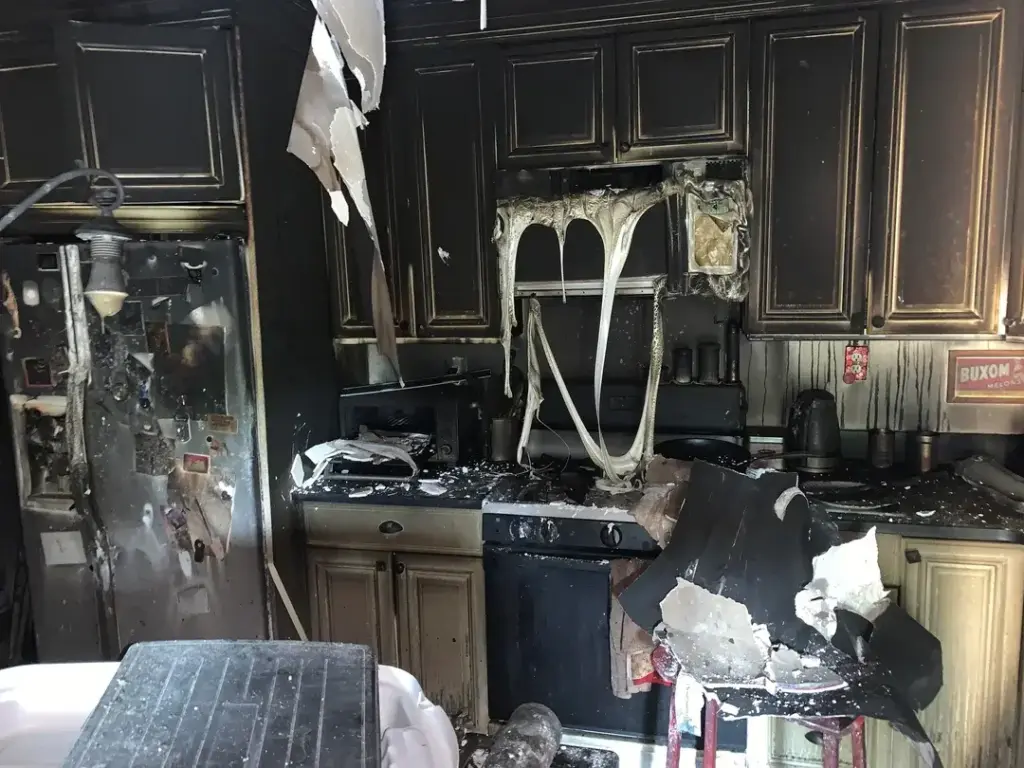
The water that put the fire out is its own problem. It runs down behind baseboards original to the house, pools under flooring that’s been there since the home was built, and soaks into drywall and insulation that have had decades to dry out and become thirsty. None of that is visible from a walk-through. It has to be found.
What we actually do once we're in the house
The work starts with securing the place. If the fire took out windows, a door, or part of the roof, we board it up and tarp it so the house isn’t open to weather or anyone wandering in. After that it’s removing what’s damaged beyond saving, charred framing, soaked drywall, ruined flooring, and anything smoke has gotten too deep into to clean.
Then comes the water. Every house fire involves a lot of it, and that water has to come out of the structure and the materials have to be dried before anything else happens. Once the place is dry and cleared out, we rebuild the damaged rooms. The last piece, documentation for the adjuster, runs alongside all of it, not after, because the record of what was damaged and what was done is easiest to build while you’re doing the work, not after the fact.
Why the work follows the S700, and what you can check tonight
Fire and smoke restoration work follows the IICRC S700, which is the industry standard for the trade. For a homeowner that means the sequence, drying, cleaning, deodorizing, isn’t guesswork or whatever a given crew feels like doing that day, it’s a documented process that an insurance adjuster recognizes and that holds up if there’s a dispute later.
One EPA guideline is useful here and you can hold us to it: materials that get wet from firefighting water and are dried within 24 to 48 hours mostly won’t grow mold. In a Snellville house built before 1980, with original subfloor and wall cavities that trap moisture, that window matters more than in newer construction. The one thing you can check yourself tonight, if it’s safe to be in the house at all, is whether carpet, drywall, or furniture near the fire is still damp two days later. If it is, that’s worth a call regardless of what else is going on.
Owners, renters, and who's actually making the call
About 81% of occupied homes in Snellville are owner-occupied, so most of the time it’s the person who owns the house on the phone with us and with their insurer at the same time. That’s a different conversation than a rental, where a tenant may be calling us first and a landlord or management company second. Either way, the documentation we put together is the same, itemized, tied to what the S700 process calls for, and built so whoever is filing the claim has something solid to hand over. A flood zone map or a claim count for the broader Gwinnett County area tells you something about risk in general. It doesn’t tell you anything about what happened inside your specific house, which is why the on-site documentation matters more than any area statistic.
Questions from Snellville
Who cleans up after a house fire in Snellville?
A restoration crew handles it, not the fire department. Committed Restoration is IICRC certified and answers calls 24/7, and our work covers securing the property, removing damaged materials, cleaning up the water used to fight the fire, rebuilding the damaged rooms, and documenting everything for the adjuster.
What happens after the fire department leaves?
The house is usually open, wet, and unsecured, which is where board-up and tarping come in first to keep weather and people out. From there it’s removing fire-damaged materials, drying out the firefighting water, and starting the rebuild, all following the IICRC S700 standard for fire and smoke restoration.
Can anything be saved after a kitchen fire?
Often yes, but it depends on how far the smoke traveled and how long materials sat wet. The EPA notes that items dried within 24 to 48 hours mostly won’t develop mold, so speed matters for what can be cleaned and kept versus what has to be removed.
Does it matter that my house is older?
It can. About 30% of Snellville’s housing was built before 1980, and older wall cavities, wiring, and subfloor materials don’t always contain fire or hide water damage the way newer construction does, so inspection tends to take a closer look in those homes.
Do you deal with my insurance company directly?
We document the damage and the work performed so you have what’s needed for your claim, but what your policy covers is between you and your insurer. About 81% of homes in Snellville are owner-occupied, so most of our documentation goes straight to a homeowner filing their own claim.
Get restoration help in Snellville
Serving Homes & Businesses Across Snellville, GA
Serving Snellville, Lawrenceville & the Greater Atlanta Metro
More help in Snellville
- Water damage restoration in Snellville
- Water mitigation in Snellville
- Smoke damage cleanup in Snellville
- Mold removal and remediation in Snellville
- Contents pack-out and storage in Snellville
- Storm damage cleanup and repair in Snellville
- Reconstruction after damage in Snellville
- About our fire damage restoration
Nearby
- Fire damage restoration in Grayson
- Fire damage restoration in Auburn
- Fire damage restoration in Berkeley Lake
- Fire damage restoration in Duluth
Sources: US Census Bureau, American Community Survey 2023 5-year estimates; IICRC, ANSI/IICRC S700 Standard; US EPA, A Brief Guide to Mold, Moisture and Your Home. Read 2026-11-14.