
Fire Damage Restoration in Grayson, GA





Half of the homes in Grayson were built in 2012 or earlier, by the Census Bureau’s estimate, and that matters more than it sounds like it should once a fire has gone through a kitchen or a garage. A house from that era is still well inside its working life. Wiring, HVAC, drywall, cabinetry, most of it installed to codes that are still current, which actually changes how a fire moves through the place and how the cleanup after it gets handled.
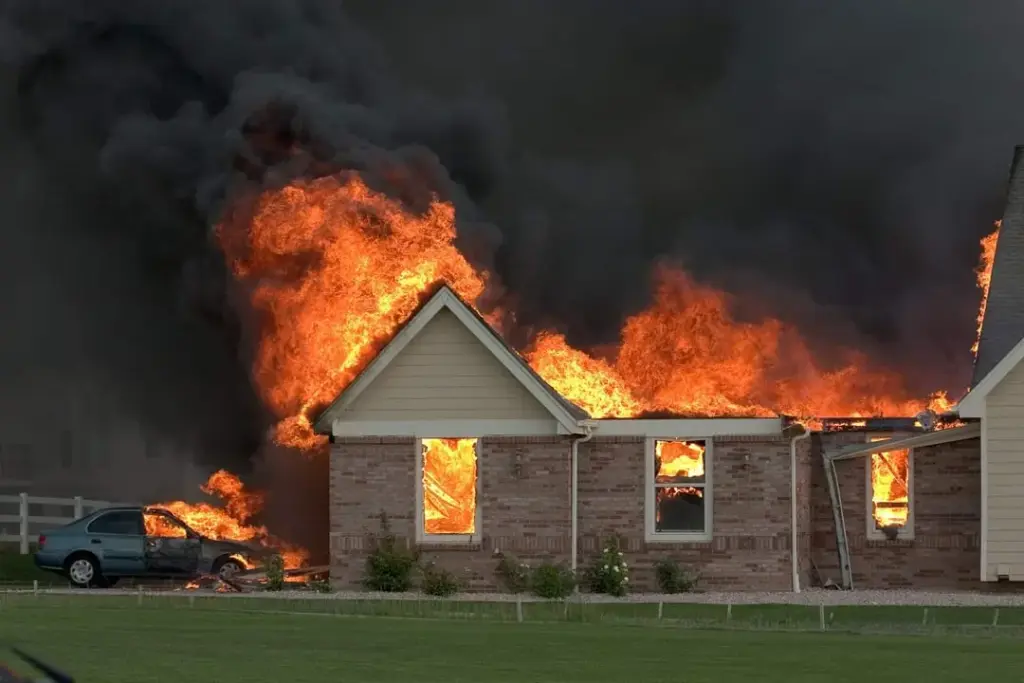
What a newer Grayson house does once it's burning
A 2012-era home is mostly synthetic. Engineered flooring, foam-core cabinetry, latex paints, vinyl siding, all of it burns hotter and faster than the materials in an older house, and it puts off a thicker, more aggressive smoke. That smoke doesn’t stay in the room of origin. It travels through the HVAC ductwork and settles into carpet fibers, grout lines, and the pores of cabinet wood two rooms away, which is why a fire that looks contained to the kitchen often isn’t contained at all once you start testing for odor and soot film.
Only about 2% of Grayson’s housing stock was built before 1980, so most jobs here don’t involve the older plaster-and-lath problems you’d find in a much older town. What you do get instead is newer electrical panels and newer appliances, which means fire causes here more often trace back to a specific appliance failure or wiring fault rather than age-related deterioration. That’s useful information for the adjuster, and it’s one of the first things we document.
What to do before help arrives
Don’t go back inside until the fire department has cleared the structure, even if it looks safe from the doorway. Smoke damage and structural weakening aren’t always visible.
If you can do it safely from outside, turn off the main water line if firefighters used water inside and you’re worried about it continuing to run into lower floors. Photograph what you can see from a safe distance, exterior damage, open windows, anything visibly displaced. Don’t open closed doors or windows looking for more damage; it feeds oxygen to any remaining hot spots and lets more soot settle. We handle board-up and tarping to secure the property as soon as we’re on site, so the goal before that is just keeping everyone out and keeping a record.
Why the work follows the S700, and what you can check yourself tonight
The work follows the IICRC S700, which is the industry standard for fire and smoke damage restoration. In practice that means a structured sequence: assess and document first, remove materials that can’t be cleaned, clean and deodorize what can be saved, then rebuild. It’s not a checklist for its own sake. Skip steps, like painting over smoke odor instead of neutralizing it at the source, and the smell comes back in humid weather.
The water used to put the fire out matters almost as much as the fire itself. The EPA’s guidance is that water-damaged materials dried within 24 to 48 hours will, in most cases, not grow mold. Past that window, drywall and subfloor start hosting mold growth that’s a separate problem from the fire. In a Grayson home with engineered wood flooring or MDF cabinetry, both materials that swell and delaminate from water faster than solid wood, that 24 to 48 hour window is tighter in practice than it sounds. One thing you can check yourself tonight: if firefighting water pooled anywhere, feel the baseboards and lower cabinet panels for softness or swelling. That tells you water’s already migrating, which is useful to mention when you call.
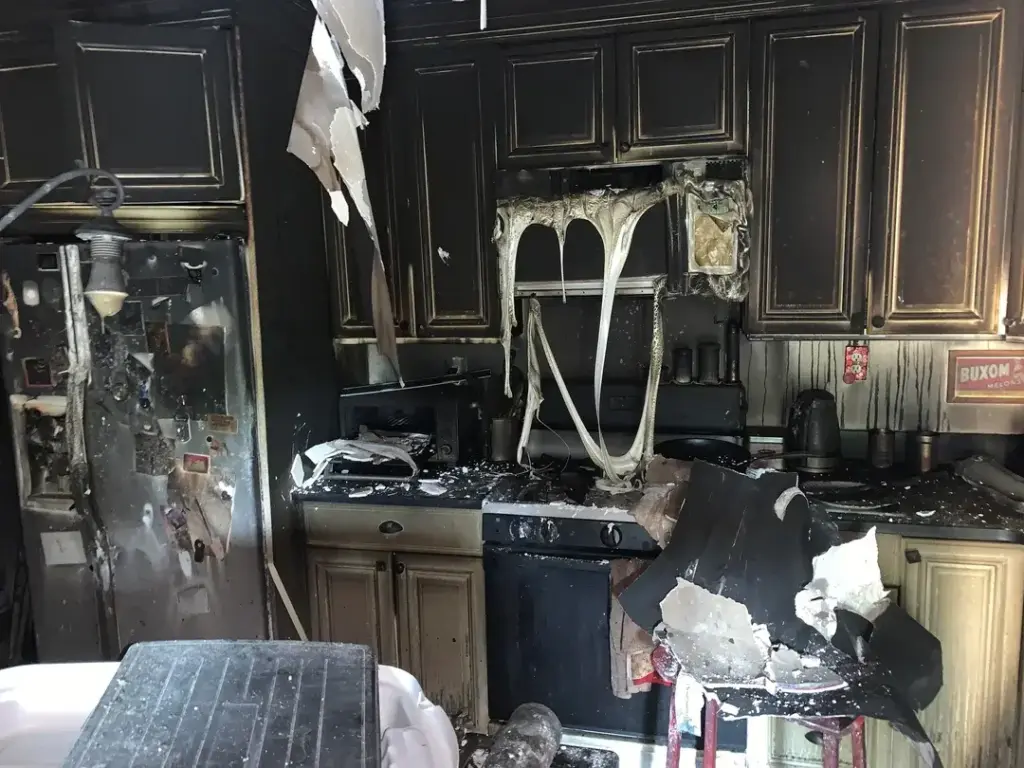
Who's actually making the call in Grayson
About 90% of occupied homes in Grayson are owner-occupied, which means most of our calls here come directly from the person who’ll be dealing with the insurance claim, not from a landlord or property manager fielding a tenant’s report. That tends to make documentation conversations more direct. The owner wants to see what we’re finding as we find it, which is how we work anyway. We photograph and log damaged materials as they’re removed, which becomes the record handed to the adjuster. An adjuster will usually want to know whether damage is from the fire itself, from the firefighting water, or from smoke that traveled beyond the room of origin. Those are typically treated as distinct categories in a claim, and separating them clearly in the documentation is part of the job, not an afterthought.
Questions from Grayson
Who cleans up after a house fire in Grayson?
A fire damage restoration company handles it, covering board-up and tarping to secure the structure, removal of fire-damaged materials, cleanup of water used by the fire department, rebuilding affected rooms, and documentation for the insurance adjuster. Committed Restoration answers calls 24/7 for this.
What happens after the fire department leaves?
Once the structure is cleared, the property needs to be secured against weather and further damage, usually with board-up and tarping, before any cleanup starts. From there the process follows the IICRC S700 standard: assess and document, remove what can’t be salvaged, clean what can, then rebuild.
Can anything be saved after a kitchen fire?
Often yes, especially materials outside the immediate fire zone that only took on smoke or light water exposure. The EPA notes that water-damaged items dried within 24 to 48 hours will, in most cases, not grow mold, which is why fast water cleanup after the fire is out matters for what can be saved.
Is Grayson's older housing a factor in fire damage?
Not much. Only about 2% of Grayson’s housing was built before 1980, so most homes here have newer wiring and materials, which changes typical fire causes and how damage spreads compared to an older town.
Do I need to be home for the whole restoration process?
Since about 90% of occupied homes in Grayson are owner-occupied, most clients here want to see documentation as the work happens, which we do throughout, but the day-to-day removal and rebuild work doesn’t require you on site constantly.
Get restoration help in Grayson
Serving Homes & Businesses Across Grayson, GA
Serving Grayson, Lawrenceville & the Greater Atlanta Metro
More help in Grayson
- Water damage restoration in Grayson
- Water mitigation in Grayson
- Smoke damage cleanup in Grayson
- Mold removal and remediation in Grayson
- Contents pack-out and storage in Grayson
- Storm damage cleanup and repair in Grayson
- Reconstruction after damage in Grayson
- About our fire damage restoration
Nearby
- Fire damage restoration in Snellville
- Fire damage restoration in Auburn
- Fire damage restoration in Berkeley Lake
- Fire damage restoration in Duluth
Sources: US Census Bureau, American Community Survey 2023 5-year estimates; IICRC, ANSI/IICRC S700 Standard; US EPA, A Brief Guide to Mold, Moisture and Your Home. Read 2026-11-14.