
Mold often grows out of sight, growing behind walls, beneath flooring, or in areas impacted by water damage, spreading long before it’s detected. With Georgia’s warm, humid climate creating ideal conditions for growth, mold can quickly become a serious problem if it isn’t handled properly.
Understanding how mold develops, the risks it poses, and when professional mold remediation is necessary can help protect both your property and your health.
Why Mold Is So Common in Georgia Homes and Businesses
Georgia’s humidity creates ideal conditions for mold growth. When moisture from leaks, flooding, storm damage, or poor ventilation is present, mold can begin growing within 24 to 48 hours.
Unlike surface dirt or dust, mold feeds on organic materials found in building components such as drywall, wood framing, insulation, and carpeting. Once it takes hold, it can spread rapidly through spores released into the air.
Because mold often grows in hidden areas, many property owners don’t realize there’s a problem until it has already spread.
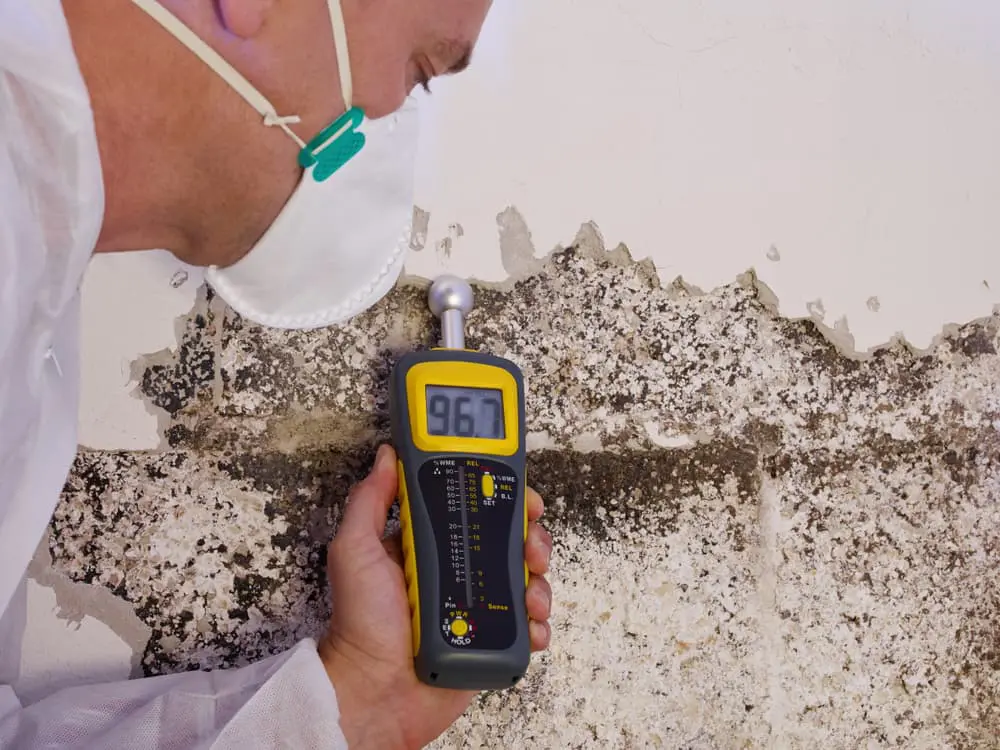
Common Signs of Mold Growth
Mold isn’t always visible. In many cases, the first sign is a persistent musty odor that doesn’t go away. Discoloration on walls, ceilings, or baseboards may also indicate mold growth.
Some people experience unexplained allergy symptoms, respiratory irritation, or headaches when mold is present. These symptoms often worsen indoors and improve when leaving the property.
If your home or business has experienced water damage, flooding, or long-term moisture issues, mold growth is always a possibility—even if you can’t see it.
Why Mold Should Never Be Ignored
Mold affects more than just the appearance of a property.
As it spreads, mold can weaken building materials, cause wood rot, and damage insulation and drywall. Over time, this compromises the structural integrity of the property and increases repair costs.
From a health standpoint, mold can impact indoor air quality and trigger respiratory issues, allergies, and other health concerns—especially for children, seniors, and individuals with asthma or compromised immune systems.
What Mold Remediation Really Means
Mold remediation is not the same as surface cleaning.
Professional mold remediation involves identifying the source of moisture, containing affected areas, safely removing mold-contaminated materials, and preventing future growth. Simply cleaning visible mold without addressing moisture allows the problem to return.
Certified remediation specialists use containment barriers, HEPA air filtration, and antimicrobial treatments to ensure mold is removed safely without spreading spores to unaffected areas.
The Mold Remediation Process Explained
The process begins with a detailed inspection to determine where mold is growing and what caused it. Once identified, affected areas are isolated to prevent cross-contamination.
Air filtration systems remove airborne spores while contaminated materials are carefully cleaned or removed. Moisture levels are then corrected using professional drying equipment to stop mold from returning.
Finally, damaged areas are repaired or restored, returning the property to a clean, safe condition.
When to Call a Mold Remediation Professional
If you notice musty odors, visible mold growth, recurring moisture issues, or health symptoms that worsen while indoors, it’s important to contact a mold remediation professional right away. Mold can begin growing within 24–48 hours of moisture exposure and often spreads behind walls, under flooring, and inside HVAC systems—areas that aren’t always visible to the naked eye.
Ignoring or delaying mold remediation can allow the problem to worsen, leading to more extensive damage, higher repair costs, and increased health risks. Prolonged exposure to mold may trigger respiratory issues, allergies, headaches, and other symptoms, especially for children, seniors, and individuals with compromised immune systems.
A professional mold remediation team has the training, equipment, and containment methods needed to safely identify the source of moisture, remove affected materials, and prevent mold from returning. Acting early not only protects your property but also helps ensure a healthier indoor environment for everyone inside.
Conclusion
Most mold problems don’t announce themselves right away. They develop slowly, often out of sight, until odors linger, materials discolor, or health symptoms start to appear. By then, cleaning the surface isn’t enough.
True mold remediation looks deeper at moisture sources, airflow, and the materials affected behind walls or under flooring. When those factors are addressed properly, mold can be removed safely and effectively without recurring issues.
Whether mold is already visible or you’re dealing with the aftermath of water damage, taking action sooner rather than later can help avoid larger repairs and unnecessary complications.