
Storm damage is one of the most common and costly property issues faced by homeowners and business owners across Georgia. From heavy rain and high winds to hail, fallen trees, and flash flooding, severe weather can cause sudden damage that worsens quickly if not handled properly. Understanding how storm damage occurs, what steps to take after a storm, and when to call a professional restoration company can make a major difference in recovery time and repair costs.
In this guide, we’ll explain how storm damage affects properties in Georgia, the hidden risks many people overlook, and how professional storm damage cleanup and repair services help protect your home or business after severe weather.
Why Storm Damage Is So Common in Georgia
Georgia’s climate makes it especially vulnerable to storm-related property damage. Seasonal thunderstorms, tropical weather systems, heavy rainfall, and strong winds can impact homes and commercial buildings throughout the year. Even storms that appear minor at first can cause water intrusion, roof damage, and structural issues that worsen over time.
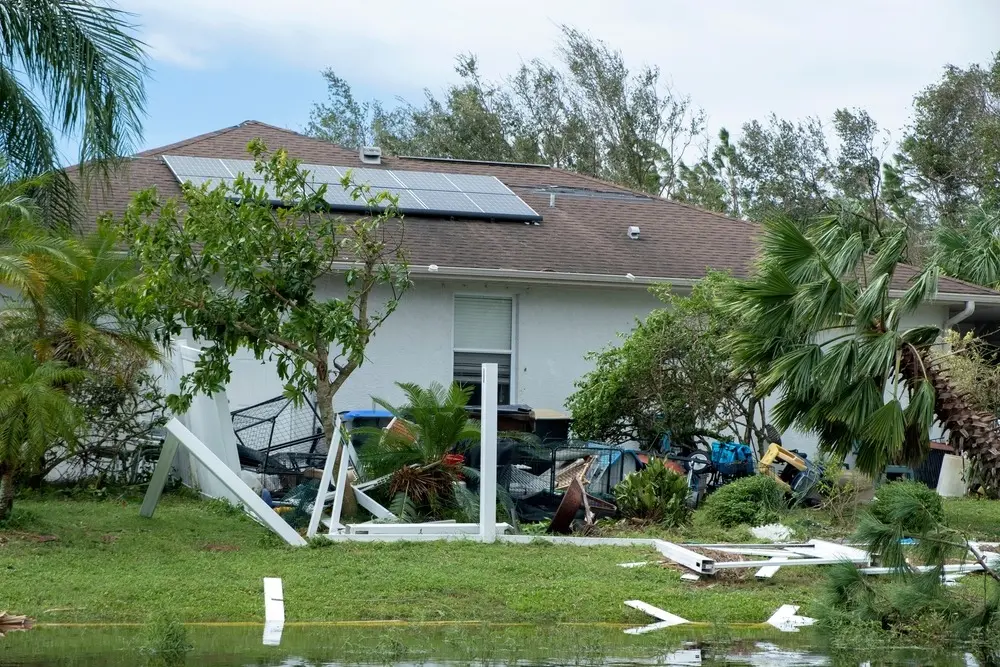
Storm damage in Georgia often includes roof leaks, siding damage, interior water intrusion, foundation issues, and debris impact from fallen trees or loose materials. Because moisture can quickly lead to mold growth, storm damage should always be treated as an urgent issue rather than a cosmetic one.
Common Types of Storm Damage to Homes and Businesses
1. Wind Damage
2. Water Intrusion and Flooding
3. Roof Damage
4. Debris and Tree Damage
Hidden Risks After Storm Damage
One of the biggest mistakes property owners make is assuming storm damage is only what they can see. In reality, many of the most serious problems develop out of sight.
Moisture trapped behind walls, under flooring, or inside insulation can remain undetected for days or weeks. This creates ideal conditions for mold growth, wood rot, and structural deterioration. Electrical systems may also be affected by water intrusion, creating safety hazards.
Professional storm damage cleanup focuses on identifying and addressing these hidden issues before they lead to more expensive repairs.
What to Do Immediately After Storm Damage
After a storm, safety should always come first. Avoid areas with standing water, exposed wiring, or structural instability. Once it’s safe, document visible damage with photos and contact a professional restoration company as soon as possible.
Quick action is critical. The sooner storm damage cleanup begins, the easier it is to prevent secondary damage such as mold growth, material warping, and long-term moisture problems.
How Professional Storm Damage Cleanup & Repair Works
Storm damage restoration is a structured process designed to stabilize the property and prevent further loss.
It begins with a detailed inspection to assess both visible and hidden damage. Emergency services—such as roof tarping or board-up—may be performed to protect the property from additional exposure. Water extraction and structural drying follow to remove moisture and control humidity levels.
Once mitigation is complete, repairs and reconstruction restore the property to its pre-damage condition. This may include drywall replacement, flooring repairs, roofing work, or structural repairs depending on the severity of the damage.
When to Call a Storm Damage Restoration Professional
If you notice roof damage, water intrusion, fallen debris, structural concerns, or persistent moisture after a storm, it’s time to call a professional.
Even when damage appears minor, a professional inspection can uncover hidden issues that need immediate attention.