
Homeowners in Atlanta, GA deal with many property-related challenges, and water damage is among the most frequent—often caused by storms, heavy rain, and the region’s humid climate. What many people don’t realize is that water damage often sets the stage for mold growth long after the visible water is gone.
Mold doesn’t always appear right away. In fact, some of the most serious mold problems develop quietly, behind walls or under flooring, weeks after a water event. Knowing how to check for mold after water damage—and what to do if you find it—can help protect your home, your health, and your investment.
Why Water Damage So Often Leads to Mold
Mold needs just three things to grow: moisture, organic material, and time. Unfortunately, water damage provides all three.
When water enters a home—whether from a storm, leak, or flooding—it soaks into materials like drywall, wood framing, insulation, and flooring. These materials don’t always dry on their own, especially in humid environments. Even when surfaces appear dry, moisture can remain trapped inside walls and beneath floors.
Once that moisture lingers for 24 to 48 hours, mold spores naturally present in the air can begin to grow. This is why mold is so closely linked to water damage and why fast, proper drying is critical.
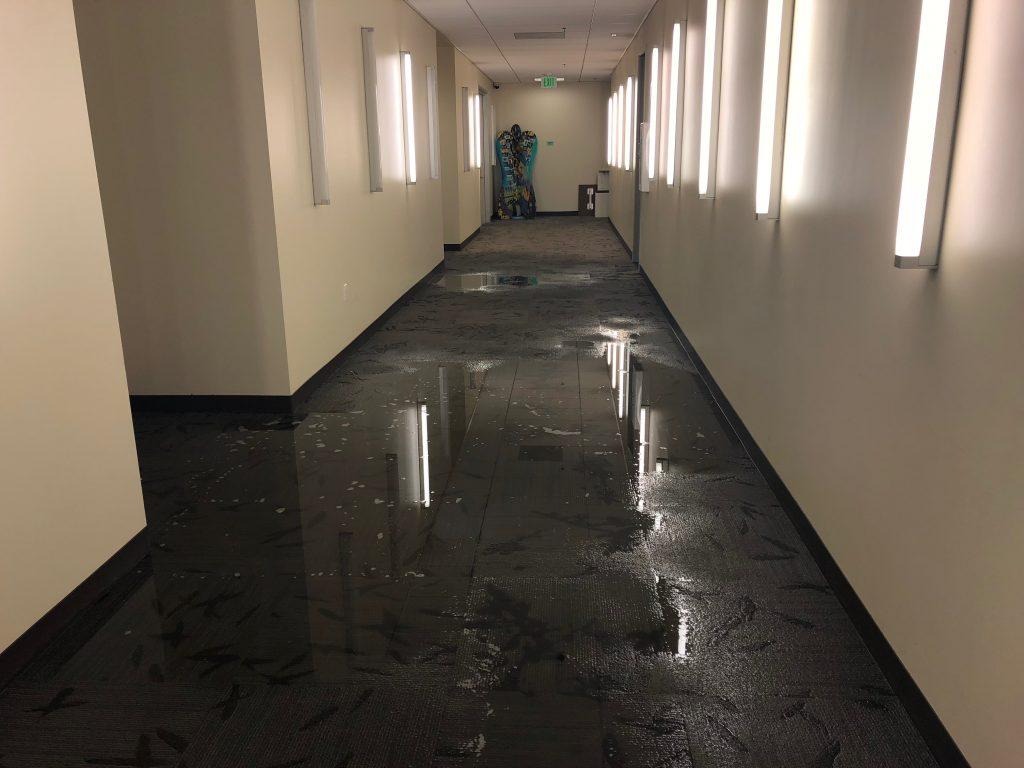
Common Causes of Water Damage That Lead to Mold
1. Plumbing Leaks
2. Roof Leaks and Storm Damage
Damaged shingles, worn flashing, or clogged gutters can allow water to enter through the roof during heavy rain or storms. This moisture often collects in attics and wall cavities, where mold can develop long before visible signs appear.
3. Appliance Failures
4. Storm-Related Flooding
5. Burst or Frozen Pipes
6. Overflowing Fixtures and Drain Issues
Signs You Should Check for Mold After Water Damage
If your home has experienced water damage, it’s important to stay alert for signs that mold may be developing. Persistent musty or earthy smells are often one of the earliest indicators.
Discoloration or staining on walls, ceilings, or baseboards may signal moisture and mold behind the surface. Warped flooring or bubbling paint can also point to trapped moisture.
Some people notice physical symptoms, such as sneezing, coughing, headaches, or irritated eyes, that worsen indoors. While these symptoms can have many causes, mold exposure is often overlooked.
How to Check for Mold After Water Damage in Your Home
1. Inspect Areas Directly Affected by Water
Start by revisiting any rooms, walls, or flooring that were exposed to water. Look closely for discoloration, dark spots, peeling paint, or soft areas on walls and ceilings. These can indicate moisture trapped beneath the surface where mold may be forming.
2. Pay Attention to Musty or Earthy Odors
3. Check Behind and Under Common Moisture Traps
4. Examine Flooring and Baseboards
5. Inspect Closets and Low-Airflow Areas
6. Check Basements and Crawl Spaces
7. Monitor Indoor Air Quality and Health Symptoms
What to Do If You Discover Mold After Water Damage
If you discover mold or suspect it’s present the most important step is to avoid disturbing it. Scrubbing or removing mold without proper containment can release spores into the air and spread contamination.
Addressing the moisture source is critical. Mold will continue to grow if water intrusion or humidity issues remain unresolved. This may involve repairing leaks, improving drainage, or addressing ventilation problems.
Contacting a professional mold remediation and restoration company allows the issue to be properly assessed. Professionals can determine the extent of mold growth, identify hidden contamination, and recommend the safest and most effective solution.
Do You Have Mold After Water Damage? We Can Help
If your home has experienced water damage and you’re unsure whether mold is present, you’re not alone. Many homeowners don’t realize there’s a problem until it becomes more serious.
- Do you smell musty odors that won’t go away?
- Did your home recently experience a leak, flood, or storm damage?
- Are you noticing unexplained allergy symptoms indoors?
These are all signs that mold may be developing beneath the surface.
At Committed Restoration, we help homeowners identify and address mold issues after water damage using proven methods and professional equipment. Our team understands how water damage leads to mold—and how to stop it before it spreads further.
Think you may have mold? Call Committed Restoration today for professional help and peace of mind.